For centuries, the traditional university lecture model—a lone professor broadcasting facts to hundreds of passive note-takers—has dominated higher education.
However, cognitive neuroscience and pedagogy research confirm that passive listening yields minimal long-term retention compared to active Socratic inquiry, problem-based seminars, and peer-to-peer debate.
Cognitive Load Theory and Active Retrieval
When students are asked open-ended conceptual questions that require synthesizing competing evidence, their neural circuitry engages in active retrieval—the biological mechanism that cements memories into long-term cortical networks.
Socratic seminars force students to articulate assumptions, test hypotheses, and defend reasoning in real time, transforming classroom dynamics from rote memorization into intellectual exploration.
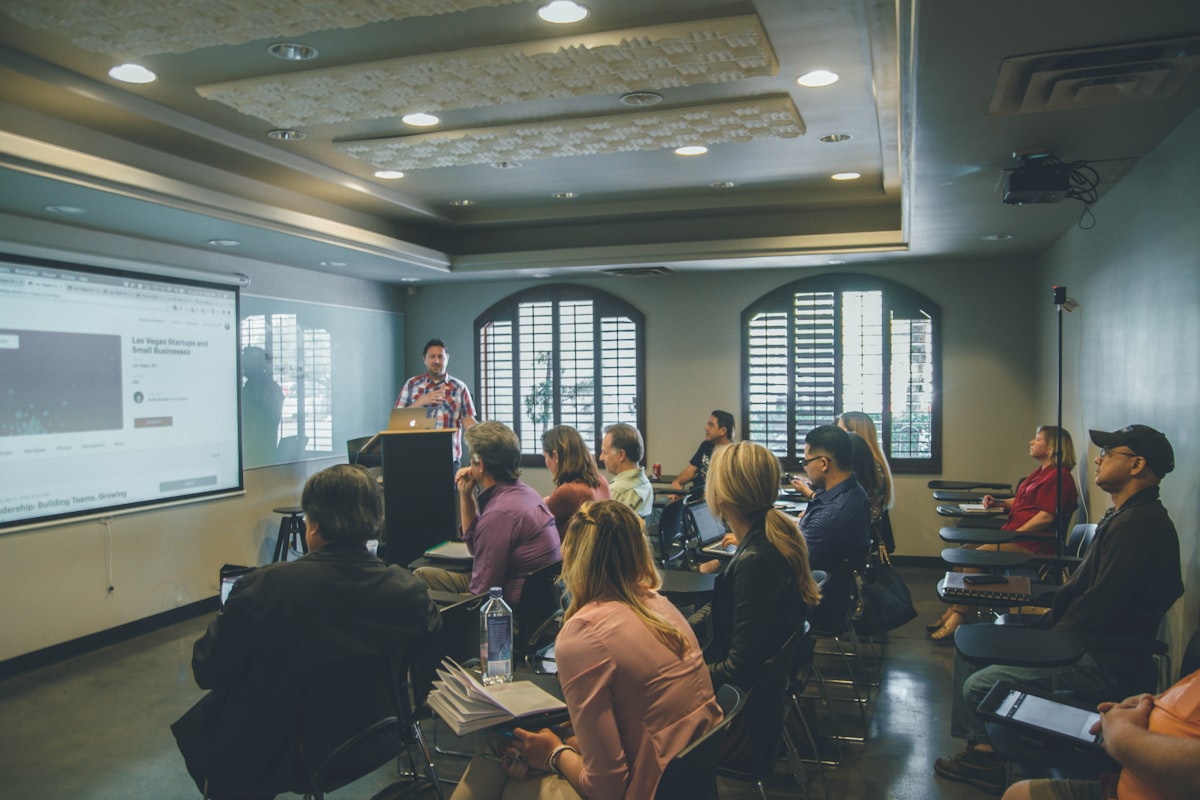
Flipping the Classroom for Deeper Synthesis
In the 'flipped classroom' model, foundational reading and recorded micro-lectures are consumed independently before class. In-person seminar time is reserved exclusively for high-level problem solving, case studies, and debate.
Professors transition from 'sages on the stage' to skilled moderators who challenge students to uncover nuanced logical contradictions in their own arguments.
“Education is not the filling of a pail, but the lighting of an intellectual fire through courageous questioning.” — Maya Lin-Vogel, Education Essayist
Core Elements of Socratic Teaching
Key techniques that elevate classroom learning into deep inquiry:
- Clarifying Questions: Challenging students to define terms and unpack unexamined premises.
- Counterfactual Probing: Asking 'What if this condition were reversed?' to test conceptual boundaries.
- Collaborative Synthesis: Encouraging peers to build upon or respectfully challenge classmate contributions.
The revival of the Socratic method equips students not merely with temporary test answers, but with the lifelong capacity to think critically, communicate persuasively, and navigate an uncertain world.
Enjoying this story from Daily Insight?
“Get new deep dives delivered quietly to your inbox.”

Maya Lin-Vogel
San Francisco, CAChild development specialist and education essayist investigating early neural milestones, literacy pedagogy, and modern learning environments.